
They tend to focus on what holds value across cycles: aspect, access, privacy, and scarcity. The goal is not just to buy near the water, but to pay the right margin for it.
What exactly counts as a “waterfront premium” in Watsons Bay?
The waterfront premium is the extra amount paid for water adjacency and water utility over a comparable non-waterfront home nearby. Clients working with a buyers agency Watsons Bay will usually treat it as a bundle, not a single line item.
That bundle can include direct foreshore access, uninterrupted harbour views, a protected outlook, and lifestyle conveniences like walkability to the promenade and ferry. They also account for disadvantages that can dilute value, such as exposure, salt wear, and public foot traffic.
How do they separate lifestyle value from resale value?
They separate lifestyle value from resale value by ranking “must-haves” against “nice-to-haves” and pricing each accordingly. Buyers agency Watsons Bay clients often start with a liveability brief, then translate it into a resale risk profile.
For example, a sunrise aspect may be a personal preference, but a north-facing harbour view often carries broader demand. The more universal the appeal, the more comfortable they are paying a stronger premium.
Which property attributes justify paying more for the water?
They typically justify a higher premium when the property has durable, defensible advantages. Buyers agency Watsons Bay clients most often prioritise view protection, orientation, and genuine water access.
A wide, uninterrupted harbour frontage can outperform a narrow “peek” view, especially if future development can’t easily block it. They also look closely at layout, because a premium view that can’t be enjoyed from main living zones may not hold the same value long term.
How do they benchmark the premium against non-waterfront comparables?
They benchmark by building a tight set of comparables and adjusting for differences like land size, parking, condition, and view quality. Buyers agency Watsons Bay clients commonly compare “one street back” sales to foreshore or near-foreshore homes.
When comps are scarce, they may widen the radius to similar prestige harbour suburbs, then adjust for micro-location and amenity. The emphasis stays on like-for-like buyer demand, not just postcode averages.
What role do views play compared with direct water access?
Views usually drive the biggest part of the premium, but direct access can add a separate layer of scarcity value. Buyers agency Watsons Bay clients often treat access as a multiplier only when it is usable and exclusive.
A spectacular view can still command a premium without a jetty or shoreline steps. But where access is private, safe, and practical, it can shift the buyer pool towards those who will pay beyond the view alone.
How do they price in orientation, wind, and salt exposure?
They price these in by estimating holding costs and comfort trade-offs. Buyers agency Watsons Bay clients often discount for harsh exposure, because it affects day-to-day living and ongoing maintenance.
Prevailing winds, storm splash, and salt corrosion can increase repainting, glazing, and metalwork replacement cycles. If the home needs immediate remediation, they may negotiate harder or avoid paying a “perfect waterfront” price for an imperfect experience.
How do planning controls and public access affect waterfront value?
They affect value by changing certainty and privacy. Buyers agency Watsons Bay clients typically check planning overlays, foreshore easements, view-sharing expectations, and public access pathways.
If the frontage backs onto a high-traffic walkway, privacy and security can be compromised, which can reduce the usable lifestyle benefit. On the upside, strong protections or low likelihood of nearby redevelopment can support a firmer premium.
How do they consider strata, shared walls, and apartment waterfront premiums?
They consider them differently because scarcity works in layers. Buyers agency Watsons Bay clients usually assess apartment premiums through view corridor, balcony usability, building quality, and levies.
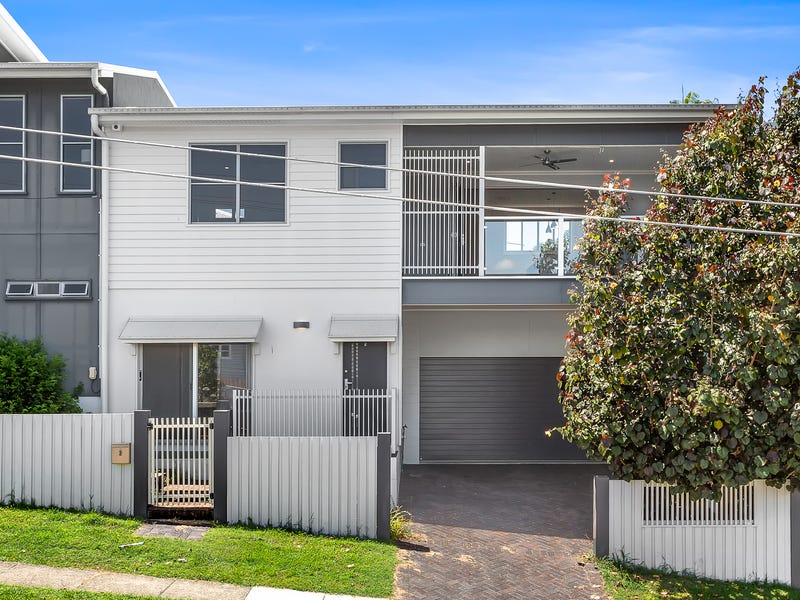
In a boutique building, a top-floor, north-facing apartment with a large terrace can command a strong premium, particularly in Woollahra heritage conservation areas where character and location can influence buyer demand. But high strata costs, upcoming capital works, or poor sound insulation can erode willingness to pay, even with headline views.
How do they factor in renovations, build quality, and “hidden” costs?
They factor these in by separating cosmetic upgrades from structural or compliance-heavy work. Buyers agency Watsons Bay clients often run a simple rule: the more specialised the waterfront build, the higher the risk of expensive surprises.
Seawall issues, drainage, rising damp, and accelerated façade wear can materially change the real premium paid. They lean on building and pest reports, but also look for signs of deferred maintenance that may not show in marketing photos.
How do they manage auction pressure and off-market negotiation?
They manage it by setting a walk-away number and aligning it to the premium logic. Buyers agency Watsons Bay clients typically avoid bidding purely to “win” when the waterfront label is inflating emotions.
In off-market settings, they use comparable evidence, timeline leverage, and clean terms to reduce the premium without insulting the seller. In auctions, they may bid assertively early to signal strength, but only if the price stays within a pre-agreed premium band.
What signals suggest a waterfront premium is overpriced?
They watch for signs that the price is being driven by rarity talk rather than fundamentals. Buyers agency Watsons Bay clients often flag overpricing when the view is compromised, the home has poor orientation, or access is not actually private.
They also get cautious when the floorplan wastes the view, when the street has noise or foot traffic, or when recent sales show the market is paying less for similar quality. If multiple buyers hesitate, that is information, not just “competition.”
How do they decide whether to buy now or wait for a better entry point?
They decide by measuring urgency against replacement risk. Buyers agency Watsons Bay clients usually buy sooner when the asset is genuinely hard to replace, such as a protected harbour view with strong orientation and privacy.
They may wait when supply is rising, when the premium is outpacing comparable growth, or when the property needs major work and vendors are still pricing it like turnkey stock. Timing matters less than not overpaying for the wrong waterfront attributes.
How do they balance prestige with everyday liveability?
They balance it by testing the property like a weekly routine, not a holiday. Buyers agency Watsons Bay clients often run practical checks: parking, stairs, ferry access, groceries, school runs, and how the home feels in bad weather.
A prestigious address can still be a poor fit if it is noisy, exposed, or hard to maintain. The best outcomes come when the premium buys daily enjoyment, not just bragging rights.
What is the simplest framework they use to quantify the premium?
They typically use a three-part framework: “view and orientation,” “access and privacy,” and “cost and risk.” Buyers agency Watsons Bay clients score each category, then compare that score against the premium being asked.
If the premium is high, they want multiple categories to be exceptional, not just one. This keeps decision-making consistent, especially when marketing leans heavily on emotion.
How do they ensure the premium still makes sense in five to ten years?
They ensure it by prioritising durability of demand and limiting downside risks. Buyers agency Watsons Bay clients usually favour properties with protected outlooks, functional layouts, and manageable maintenance.
They also consider liquidity: how many future buyers can realistically afford and want the same home. The broader the future buyer pool, the safer it is to pay a premium today.
What should they do next if they are unsure about paying a waterfront premium?
They should pause and tighten the brief, then re-check evidence against emotions. Buyers agency Watsons Bay clients typically benefit from reviewing three recent comparable sales, one “stretch” sale, and one compromised sale to calibrate what the market rewards.
If the premium still feels hard to justify, the safest move is to keep looking until the waterfront benefits are clear, defensible, and aligned with both lifestyle and resale logic.
FAQs (Frequently Asked Questions)
What defines the “waterfront premium” in Watsons Bay property market?
The waterfront premium in Watsons Bay is the additional amount paid for water adjacency and utility compared to similar non-waterfront homes nearby. It encompasses a bundle of features such as direct foreshore access, uninterrupted harbour views, protected outlook, and lifestyle conveniences like walkability to the promenade and ferry, while also factoring in disadvantages like exposure, salt wear, and public foot traffic.
How do buyers distinguish between lifestyle value and resale value when purchasing waterfront properties?
Buyers separate lifestyle value from resale value by ranking features into “must-haves” versus “nice-to-haves” and pricing them accordingly. They start with a liveability brief then translate it into a resale risk profile; for instance, personal preferences like sunrise aspects may carry less resale appeal than broadly desirable features such as north-facing harbour views that attract wider demand.
Which property attributes justify paying a higher premium for waterfront homes in Watsons Bay?
Durable and defensible advantages justify paying more, including view protection, optimal orientation, genuine water access, wide uninterrupted harbour frontage unlikely to be blocked by future development, and layouts that allow enjoying premium views from main living areas. These factors contribute to long-term value retention across market cycles.
How do buyers benchmark waterfront premiums against comparable non-waterfront properties?
Buyers build a tight set of comparables adjusting for land size, parking, condition, and view quality. Typically, they compare sales one street back from the foreshore or near-foreshore homes. When comparables are limited locally, they widen the search to similar prestige harbour suburbs while adjusting for micro-location differences and amenities, focusing on like-for-like buyer demand rather than postcode averages.
What role do views play compared to direct water access in determining waterfront property premiums?
Views usually constitute the largest portion of the premium due to their broad appeal. Direct water access adds an additional scarcity value but only acts as a multiplier when it is usable and exclusive. While spectacular views can command premiums without shoreline steps or jetties, private and practical water access attracts buyers willing to pay beyond view alone.
How are factors like orientation, wind exposure, and salt impact priced into waterfront property values?
These factors are assessed by estimating ongoing holding costs and comfort trade-offs. Properties exposed to prevailing winds or harsh salt spray may face higher maintenance costs due to accelerated repainting or repairs. Buyers often discount prices for such exposures or negotiate harder if immediate remediation is required to avoid paying full “perfect waterfront” premiums for imperfect experiences.
<script type="application/ld+json">
{
  "@context": "https://schema.org",
  "@type": "Article",
  "mainEntityOfPage": {
    "@type": "WebPage",
    "@id": "https://jeffclickhomes.com/how-do-buyers-agency-watsons-bay-clients-weigh-waterfront-premiums/"
  },
  "headline": "How Do Buyers Agency Watsons Bay Clients Weigh Waterfront Premiums?",
  "image": [
    "https://jeffclickhomes.com/wp-content/uploads/2026/09/main-45.jpg",
    "https://jeffclickhomes.com/wp-content/uploads/2026/09/image-66.jpg",
    "https://jeffclickhomes.com/wp-content/uploads/2026/09/image-67.jpg"
  ],
  "author": {
    "@type": "",
    "name": "Caleb Kirwan",
    "url": "https://jeffclickhomes.com/author/admin/"
  },
  "publisher": {
    "@type": "Organization",
    "name": "Jeff Click and Find Homes",
    "logo": {
      "@type": "ImageObject",
      "url": "https://jeffclickhomes.com/wp-content/uploads/2023/03/cropped-Untitled-500-×-100-px-52.png"
    }
  },
  "datePublished": ""
}
</script>