

The smartest buyers treat pest and termite control as due diligence, not an optional extra. A small inspection cost can reveal issues that change the true value of the home, the negotiation position, and the timeline for moving in.
Why should buyers care about pest issues before exchanging contracts?
Because pests rarely stay a “small problem” once they have a foothold. Rodents can damage wiring and insulation, while insects can spread through walls and stored materials. Pest and termite control is about identifying activity early, before it drives up repair bills or affects a lender’s confidence.
Even if the property looks spotless, pests can be seasonal, hidden, or recently disturbed by renovations. A targeted inspection makes sure the decision is based on evidence, not assumptions.
What makes termites a different kind of risk?
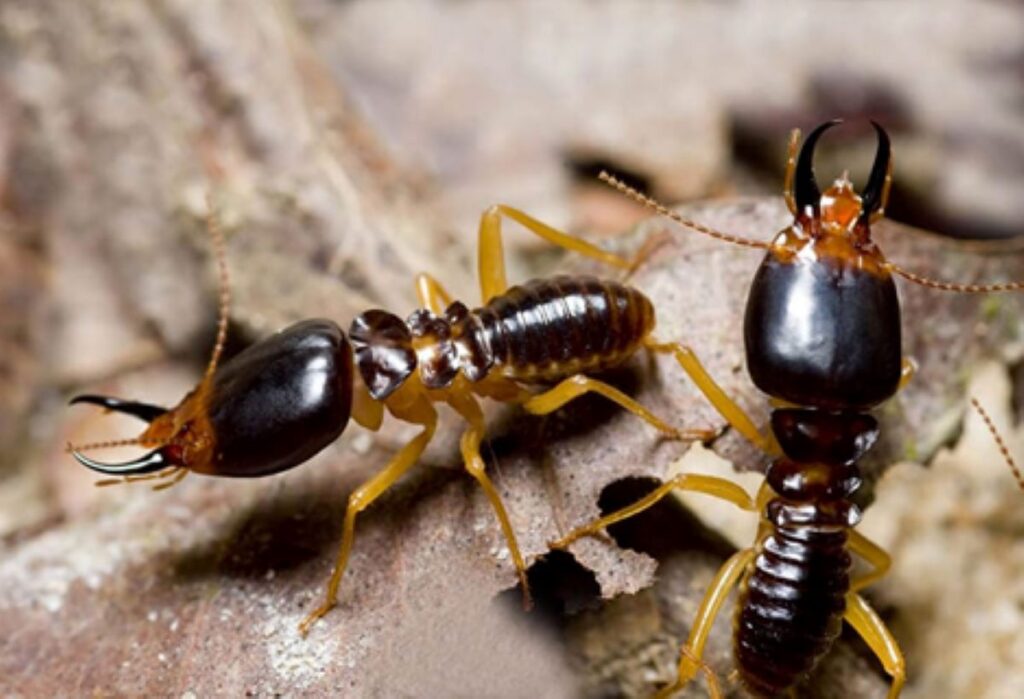
Termites can cause structural damage while remaining hard to spot. They feed within timber and can weaken skirting boards, frames, and subfloor components before obvious surface signs appear. Pest and termite control is essential because termites are not just a hygiene issue; they are a building integrity issue.
Where termites are present, repairs can involve replacing timber, improving drainage, and installing barriers or baiting systems. Those costs can meaningfully change the real purchase price.
What should a pre-purchase pest inspection include?
A good inspection looks beyond a quick glance and documents findings clearly. It should check common entry points and risk zones, such as subfloors, roof voids, fence lines, timber-to-soil contact, and damp areas. Pest and termite control assessments should also note conducive conditions like leaks, poor ventilation, or stored timber.
The report should explain evidence found, the likely cause, and recommended next steps. Buyers should expect photos, clear language, and prioritised actions.
Which warning signs should raise immediate questions?
Buyers should question any unexplained timber damage, bubbling paint, hollow-sounding wood, mud-like tubes, or excessive moisture around the home. Droppings, scratching sounds, gnaw marks, and unusual smells can also point to rodent activity. Pest and termite control professionals can distinguish between old damage and current activity, which matters for pricing and urgency.
If the seller mentions “treatment done previously,” buyers should ask for certificates, dates, and warranty details, not just reassurance.
How can infestations affect negotiations and the final price?
A credible report can turn a vague concern into a concrete negotiation point. If active pests or termite risk is identified, buyers can request a price reduction, ask for treatment before settlement, or negotiate escrow arrangements. Pest and termite control findings can also influence whether they proceed at all, especially if the damage suggests long-term neglect.
The key is using documented facts. Clear evidence helps buyers avoid emotional decisions and keeps negotiations professional. You may like to visit https://jeffclickhomes.com/pest-control-inner-west-sydney-local-homeowners-guide/ to learn more about stump grinding in Sydney and the differences between same-day services and scheduled jobs.
When should buyers organise pest and termite checks in the buying process?
They should book inspections as early as the contract conditions allow, ideally during the cooling-off period or before it ends. That timing provides options if the report is unfavourable. Pest and termite control checks done too late can trap buyers into rushed decisions or extra legal costs to renegotiate.
If access is limited, buyers should push for a re-inspection once access is granted. Partial access can hide the very areas most likely to contain issues.
What ongoing costs should buyers consider after settlement?
Some properties need more than one-off treatment. Buyers may need monitoring stations, annual inspections, or preventive work like improving drainage and ventilation. Pest and termite control is often an ongoing plan, particularly in high-risk areas or older homes with subfloor timber.
Ongoing costs are not always a dealbreaker, but they should be budgeted honestly. Prevention tends to be far cheaper than repairing structural timber.
How do location and property type change the risk profile?
Risk varies by climate, vegetation, and construction style. Homes with subfloors, garden beds against walls, or older timber elements may face higher termite risk. Dense urban areas can still have rodents, especially near food venues or rubbish storage. Pest and termite control should be tailored to the property, not treated as a generic checklist.
Buyers should also consider neighbouring conditions. A well-maintained home next to unmanaged vegetation or damp lots can still be exposed.
What should buyers look for when choosing an inspector?
They should choose a qualified, insured inspector who provides a detailed written report and explains findings in plain terms. Independence matters; the inspector should not be financially tied to the selling agent. Pest and termite control inspections should include clear limitations, so buyers know what was and was not accessible.
Buyers should ask how evidence is classified, what tools are used, and whether the inspector can advise on prevention without pushing unnecessary treatments.
How can buyers reduce pest and termite risk after purchase?
They can reduce risk by fixing leaks, keeping subfloors ventilated, avoiding timber-to-soil contact, and storing firewood away from the house. Good waste management also helps deter rodents and cockroaches. Pest and termite control works best when paired with sensible maintenance, not just reactive treatments.
Regular inspections create a baseline and catch changes early. For most buyers, that is the simplest way to protect the asset long term.
What is the simplest takeaway for smart property buyers?
They should treat inspections as protection for their future, not as an inconvenience in the buying process. Spending a little upfront can prevent major surprises later, and a report can strengthen their negotiating position. Pest and termite control is one of the clearest ways to confirm whether a property is truly sound or quietly risky.
When they check before they invest, they buy with confidence, not hope.
See Also : Indicators of harm or risk to children and young people