
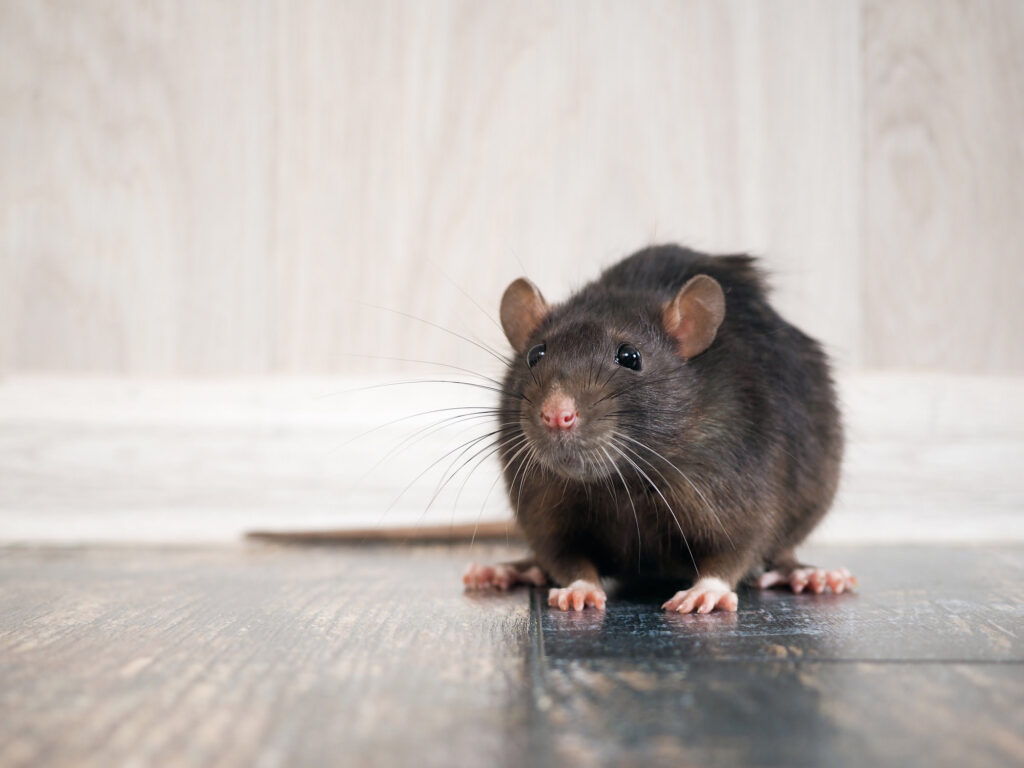
What Are the Risks Associated With Rat Infestations in Sydney?
Sydney’s warm climate and dense urban landscape create perfect breeding grounds for roof rats, Norway rats, and house mice. The city’s interconnected infrastructure and abundant food sources make Sydney rat problems a persistent challenge for homeowners.
Health Risks
Rats carry serious diseases that threaten human health. These rodents transmit salmonella, leptospirosis, and hantavirus through their droppings, urine, and saliva. Their dander and shed fur trigger allergic reactions and worsen asthma symptoms, particularly in children and sensitive individuals making rat exterminator sydney important.
Property Damage
Property damage from rodents extends beyond cosmetic issues. Rats gnaw constantly to keep their teeth from overgrowing, targeting:
- Electrical wiring (creating fire hazards)
- Wooden structures and furniture
- Insulation materials
- Plastic pipes and containers
A single rat family can cause thousands of dollars in repair costs. Their destructive habits compromise structural integrity and create additional entry points for more pests, making early intervention essential for rat removal Sydney homeowners.
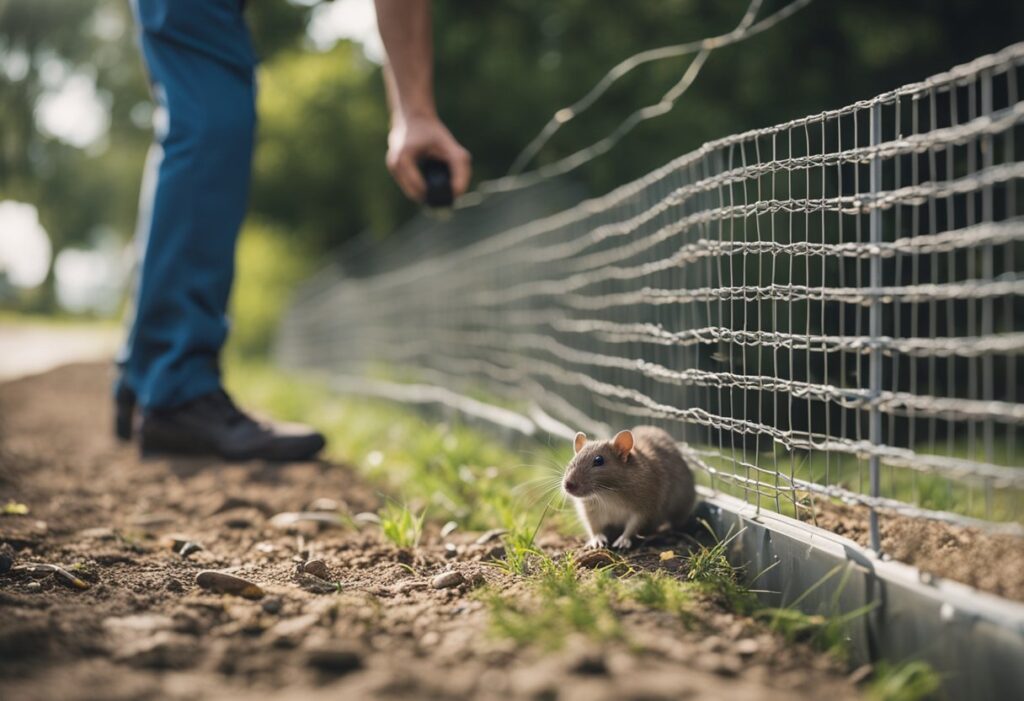
How Can Homeowners Safeguard Their Homes Against Rats Without Harming Pets?
Prevention stops rat infestations before they start, protecting both your home and your pets. Taking proactive steps to block rodent access eliminates the need for potentially dangerous control methods later.
The most effective rat prevention tips focus on exclusion—physically blocking entry routes rats use to invade homes. Rodents can squeeze through openings as small as a 20-cent coin, making thorough inspection essential.
Sealing Entry Points With Pet-Safe Materials
Pet-safe exclusion methods begin with identifying and sealing gaps around your property:
- Steel wool stuffed into small holes creates a barrier rats cannot chew through, remaining completely safe for curious pets
- Wire mesh (hardware cloth with 6mm or smaller openings) covers larger gaps around pipes, vents, and foundation cracks
- Caulk or expanding foam seals tiny crevices after inserting steel wool for added protection
Check areas where utilities enter the home, gaps beneath siding, and spaces around roof eaves where roof rats commonly gain access. It’s crucial to seal up these entry points effectively to prevent any rodent intrusion.
Securing Doors and Windows
Gaps beneath doors and around window frames invite rodent entry. Install weather stripping along door edges and door sweeps at the bottom of exterior doors to eliminate these access points. These simple additions block rats while improving energy efficiency and keeping pets safely contained indoors.
What Are Some Effective Pet-Safe Methods to Deter or Remove Rats?
Pet-safe rat control methods focus on deterring and removing rodents without exposing household animals to toxic substances or dangerous devices. Natural repellents offer a first line of defense that’s completely safe for cats and dogs.
Use Natural Repellents
Peppermint oil serves as one of the most effective natural rat repellents available to homeowners. Rats find the strong menthol scent overwhelming and will avoid areas where it’s present. Soak cotton balls in pure peppermint essential oil and place them near suspected entry points, along baseboards, in cupboards, and around areas where you’ve noticed rodent activity. Replace the cotton balls every 5-7 days to maintain potency. Other natural options include eucalyptus oil, citronella, and cayenne pepper sprinkled in outdoor areas away from pet access.
Set Up Humane Traps
Humane rat traps provide an ethical solution for catching rodents alive without harming pets. These cage-style traps feature spring-loaded doors that close when rats enter to reach bait placed inside. Position traps along walls where rats typically travel, using pet-safe bait like peanut butter or sunflower seeds. Check traps twice daily to minimize stress on captured animals.
Alternatively, you may consider using some of the best mousetraps that are child and pet safe which can effectively help in controlling the rat population without posing any harm to your pets.
Relocate Properly
Proper relocation requires releasing rats at least 2 kilometers from your property in suitable habitat away from other homes. Wear gloves when handling traps and release rats during daylight hours to give them the best chance of survival.
When Should Mechanical or Electric Traps Be Used With Caution Around Pets?
Mechanical and electric traps work effectively for rat removal but require strategic placement to prevent pet injuries. These devices should only be deployed in areas where household animals cannot reach them.
Snap Traps
Snap traps remain highly effective indoors when positioned correctly. Follow these guidelines for using snap traps safely around pets:
- Place them inside cupboards, behind appliances, or within enclosed spaces that pets cannot access.
- Bait the traps with foods like peanut butter or dried fruit, securing them against walls where rats naturally travel.
- Never set snap traps in open floor areas, under furniture where curious pets might investigate, or near pet feeding stations.
Electric Traps
Electric traps deliver instantaneous, humane kills through high-voltage shock. These enclosed units work best in:
- Attics and roof spaces
- Sealed storage rooms
- Garage corners behind equipment
- Basement areas with restricted pet access
The enclosed design prevents pets from contacting the electrified components, yet they must still be placed strategically. Block access to trap locations using baby gates or closed doors during active trapping periods.
Critical Safety Measures
Critical safety measures for pet safety with rat traps include checking traps twice daily, removing caught rodents immediately, and deactivating devices when pets roam freely. Consider using trap covers or protective boxes that allow rat entry while excluding larger animals. Always monitor your pets’ behaviour around trap locations and relocate devices if animals show excessive interest in specific areas.
When considering the types of traps to use, it’s important to understand the various options available such as mechanical and electric traps, each having their own set of advantages and precautions that need to be taken into account.
Why Is It Crucial to Avoid Poison Baits in Homes With Pets?
Can rodenticides harm your pets and local wildlife? Yes, poison baits pose severe risks to household pets and native animals, making them one of the most dangerous rat control methods for pet owners. Dogs and cats can accidentally ingest rodenticides directly or consume poisoned rats, leading to potentially fatal secondary poisoning.
The Hidden Dangers of Rodenticides
Risks of poison bait to pets extend beyond immediate ingestion. Anticoagulant rodenticides cause internal bleeding that may not show symptoms for days, delaying critical treatment. Pets may experience:
- Lethargy and weakness
- Difficulty breathing
- Bleeding from nose or gums
- Seizures or tremors
Wildlife safety rodenticides concerns affect Sydney’s native species including possums, birds of prey, and reptiles. These animals hunt poisoned rats and suffer secondary poisoning, disrupting local ecosystems.
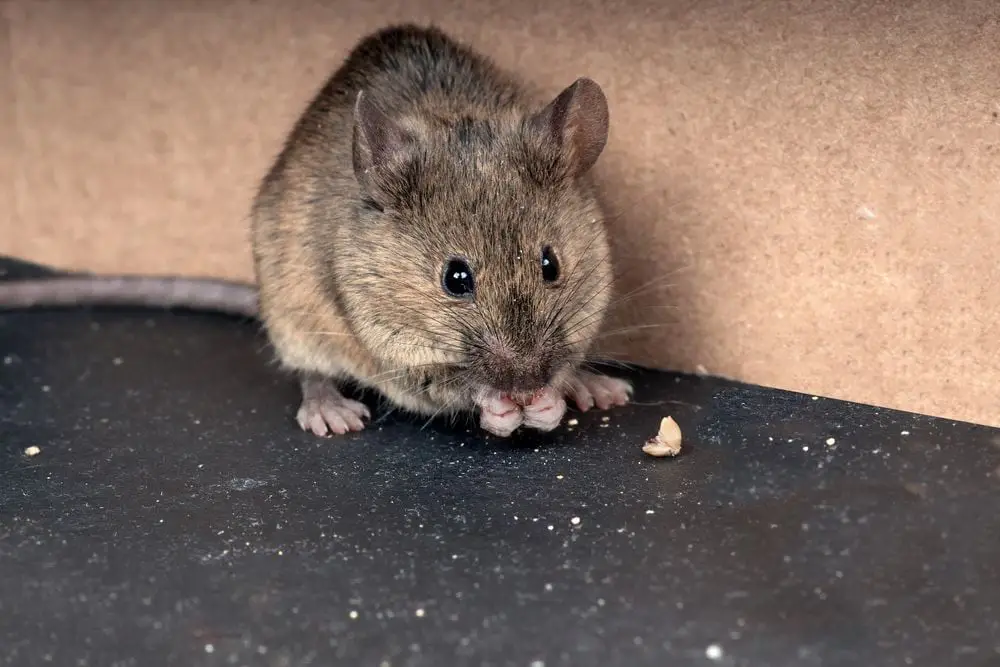
Professional-Only Application
Poison baits should remain restricted to licensed pest controllers who understand proper placement protocols. Professionals use tamper-resistant bait stations positioned in areas completely inaccessible to pets and children. They monitor consumption patterns and remove stations once the infestation clears.
DIY poison applications create unpredictable risks. Rats may carry bait to hidden locations where pets discover it, or die in walls where decomposition attracts curious animals. The delayed action of most rodenticides means pets can consume multiple lethal doses before showing symptoms.
How Can Professional Pest Control Services Assist With Pet-Safe Rat Removal in Sydney?
Professional pest control Sydney experts design customized solutions that protect your pets while eliminating rodent problems. Licensed technicians assess your property’s unique vulnerabilities and implement eco-friendly rodent treatments using botanical-based repellents, non-toxic baiting systems, and mechanical exclusion methods that pose zero risk to household animals.
Integrated pest management (IPM) forms the foundation of modern rat removal Sydney: how to get rid of rats without harming pets strategies. This approach combines:
- Initial property inspections to identify entry points, nesting sites, and food sources
- Strategic monitoring stations that track rodent activity without toxic substances
- Habitat modification recommendations to eliminate conditions attracting rats
- Scheduled maintenance visits ensuring long-term prevention
Professional services excel at placing secure bait stations in areas completely inaccessible to pets, using tamper-resistant designs that only trained technicians can open. They provide documentation of all products used, detailed treatment plans, and follow-up assessments to verify successful eradication while maintaining pet safety throughout the entire process.
Related : Mice Removal Sydney: 5 Preventive Tips That Actually Work