

What Are the Common Signs of a Mice Infestation in Sydney Homes?
Rodent droppings, gnaw marks, and scratching noises at night are the three most reliable indicators of mice activity in your home. These signs typically appear before you ever spot an actual mouse, making them critical for early intervention.
Physical Evidence to Watch For
Droppings appear as small, dark pellets (3-6mm long) concentrated near food sources, along walls, or inside cupboards making mice control sydney mandatory. Fresh droppings look moist and dark, while older ones turn grey and crumble easily.
Gnaw marks Sydney residents commonly find include:
- Chewed edges on cardboard boxes and plastic containers
- Scratches on wooden furniture or skirting boards
- Damaged electrical wiring or insulation
- Holes in walls, particularly near pipes or corners
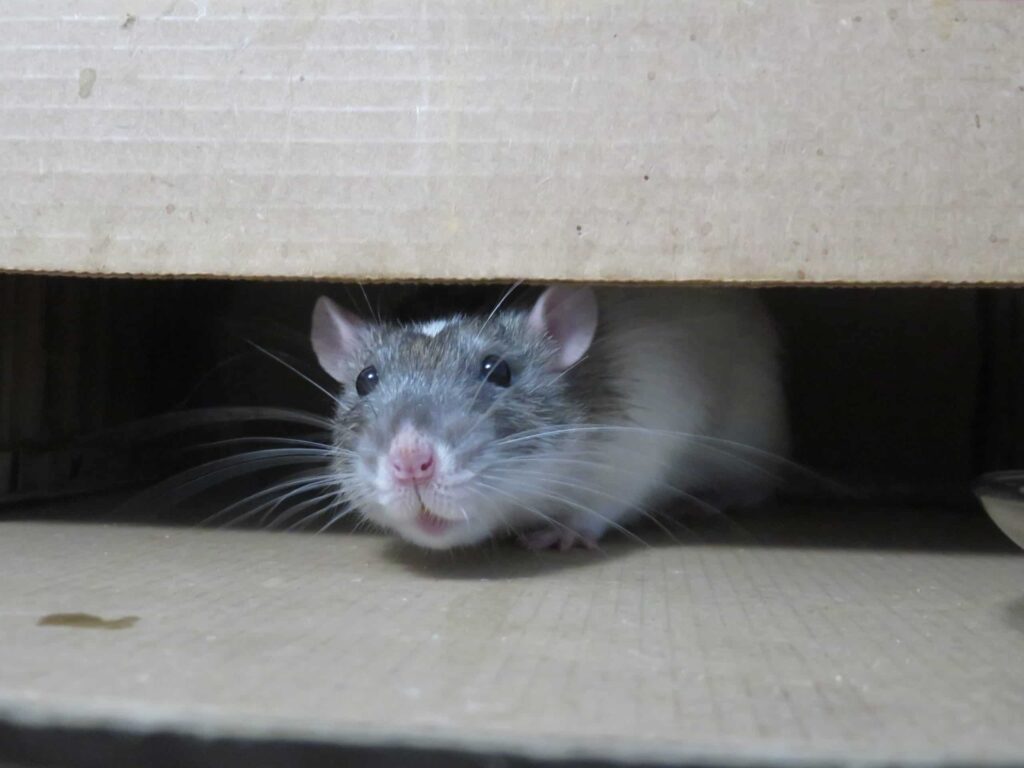
Auditory Clues
Scratching, scurrying, or squeaking sounds between walls or in roof spaces intensify during nighttime hours when mice are most active. These noises often originate from the same locations repeatedly as rodents follow established pathways.
Why Early Detection Matters
Spotting signs of mice infestation within the first few days allows property owners to implement preventive measures before populations multiply. A single female mouse produces 5-10 litters annually, with each litter containing 5-6 pups. Catching the problem early prevents extensive property damage, contamination risks, and the need for aggressive removal methods.
Why Is Sealing Entry Points Crucial for Mice Prevention?
Mice can squeeze through openings as small as a 10-cent coin, which means even tiny cracks can be potential entry points into your home. If there’s just one unsealed gap, it can allow an entire family of rodents to enter and make themselves comfortable inside your property.
Critical Areas Requiring Inspection
To effectively rodent-proof your home in Sydney, it’s important to thoroughly inspect the following vulnerable areas where structural gaps commonly occur:
- Walls and foundations: Pay attention to where utilities enter the building, expansion joints, and weathered mortar between bricks.
- Roof voids: Check the eaves, ventilation points, and areas where roofing materials meet walls.
- Doors and windows: Look for worn weather stripping, gaps beneath door sweeps, and damaged window frames.
- Plumbing penetrations: Examine the spaces around pipes that enter through floors, walls, and ceilings to see if the sealant has deteriorated.
For more detailed guidance on how to find these mouse entry points effectively, refer to this resource.
Effective Materials for Mouse Entry Prevention
When it comes to blocking rodent access, different sealing materials serve specific purposes:
- Steel wool: Mice cannot chew through this material, making it ideal for stuffing into holes before applying permanent sealant. This makes it an excellent choice for rodent control.
- Caulk: Silicone or acrylic-based caulk works well for sealing smaller cracks around windows, baseboards, and utility lines.
- Wire mesh: Galvanized steel mesh (with openings of 6mm or smaller) provides durable protection for larger gaps, vents, and drainage points.
By combining these materials in a strategic way, you can create a layered defense against determined rodents trying to find their way into your home. Start by packing gaps with steel wool, securing them with wire mesh, and then sealing everything up with caulk. This approach will provide the most reliable barrier against pesky mice looking for entry points.
For more information on the importance of sealing these entry points effectively, check out this guide.
How Does Proper Food Storage Help Keep Mice Away?
Preventing mice through food storage begins with removing easy access to food sources that lure rodents into your home. Mice can smell food from far away and will actively look for pantry items they can reach, so storing food properly is your first line of defense.
Use Airtight Containers
Airtight containers that rodents cannot open are the most effective barrier. Move cereals, grains, pasta, pet food, and baking ingredients from their original packaging into glass or heavy-duty plastic containers with secure lids. Cardboard boxes and thin plastic bags offer no protection—mice can chew through these materials in minutes. In fact, if you completely hide all food in plastic boxes, it significantly reduces the chances of attracting mice.
Practice Good Pantry Habits
In addition to using containers, you should also develop good daily habits to protect your pantry:
- Clean up spills immediately with disinfectant to remove food particles and scent trails that lead mice to feeding areas
- Wipe down countertops every night before bed to ensure there are no crumbs left behind
- Store fruit in the refrigerator instead of leaving it out in open bowls on countertops
- Empty kitchen bins daily and use containers with tight-fitting lids
These practices not only help in keeping mice away, but also contribute to a cleaner and more organized kitchen.
Additional Tips for Pet Owners
Pet owners have extra challenges when it comes to preventing mice. Here are some specific tips for you:
- Store dry pet food in sealed bins instead of leaving bags open in garages or laundry rooms.
- Remove uneaten pet food from bowls after feeding times instead of allowing all-day access.
These simple changes will eliminate the steady supply of food that mice need to make your Sydney property their permanent home. However, it’s not just about food storage; certain holiday treats and traditions can also attract pests if not managed properly.
What Cleaning Practices Are Essential to Discourage Rodents?
Regular cleaning removes the shelter and nesting materials mice need to establish colonies in your home. Cluttered spaces like garages, sheds, and basements provide perfect hiding spots where rodents can breed undisturbed, making clutter removal mice control a critical defense strategy.
Target these high-risk areas for cleanliness rodents prevention:
- Garages and storage spaces: Clear cardboard boxes, old newspapers, and fabric piles that mice use for nesting. Store items in sealed plastic bins elevated off the floor.
- Basements and crawl spaces: Remove debris, unused furniture, and stacked materials that create dark hiding spots. Inspect these areas monthly for droppings or gnaw marks.
- Floor maintenance: Vacuum carpets and sweep hard floors at least twice weekly to eliminate food crumbs and nesting fibers. Pay special attention to corners and under appliances where debris accumulates.
Garbage bin management Sydney requires strategic positioning and maintenance. Indoor bins need tight-fitting lids replaced immediately if damaged. Empty kitchen waste daily to prevent odors that attract rodents through walls or ventilation systems.
Position outdoor bins at least 30 centimeters from exterior walls to prevent mice from using them as climbing platforms to access roof spaces. Wash bins fortnightly with disinfectant to remove food residue and scent trails that guide rodents to your property. Double-bag food waste before disposal to contain smells that travel through neighborhoods.
Implementing these comprehensive pest prevention tips can significantly enhance your efforts in discouraging rodent infestations.
When Should Property Owners Consider Professional Rodent Inspections?
Property owners should schedule a professional rodent inspection in Sydney the moment they notice any signs of activity—droppings, scratching sounds, or gnaw marks—or as a preventive measure every 6-12 months. Waiting until an infestation becomes severe makes treatment more difficult and costly.
1. Early detection through expert inspections
Expert inspections catch problems before they escalate. Pest control experts and mice removal specialists use trained eyes to spot evidence homeowners often miss: hidden entry points in roof cavities, subtle droppings in wall voids, or grease marks along baseboards. This proactive approach stops small issues from becoming major infestations.
2. Tailored advice for individual properties
Professional inspections offer valuable insights beyond basic detection. Every Sydney home has unique vulnerabilities—older properties might have deteriorating weatherstripping, while newer builds could have construction gaps around plumbing. Technicians assess your specific situation and recommend targeted solutions that address your property’s weak points.
3. Safe treatment methods approved in NSW
Tamper-resistant bait stations and safe treatment methods ensure effective control without compromising household safety. Licensed professionals strategically place secure stations in areas inaccessible to children and pets, using products that meet strict Australian standards. These treatments come with follow-up monitoring to verify success and adjust strategies if needed.
4. Additional protection during key events
Scheduling inspections after renovations, before purchasing property, or when neighbors report rodent issues provides extra protection against unwanted guests establishing residence in your home. For comprehensive guidance on managing such situations, including detailed information on rodent behavior and prevention strategies, referring to resources like the Rodent Manual can be beneficial.
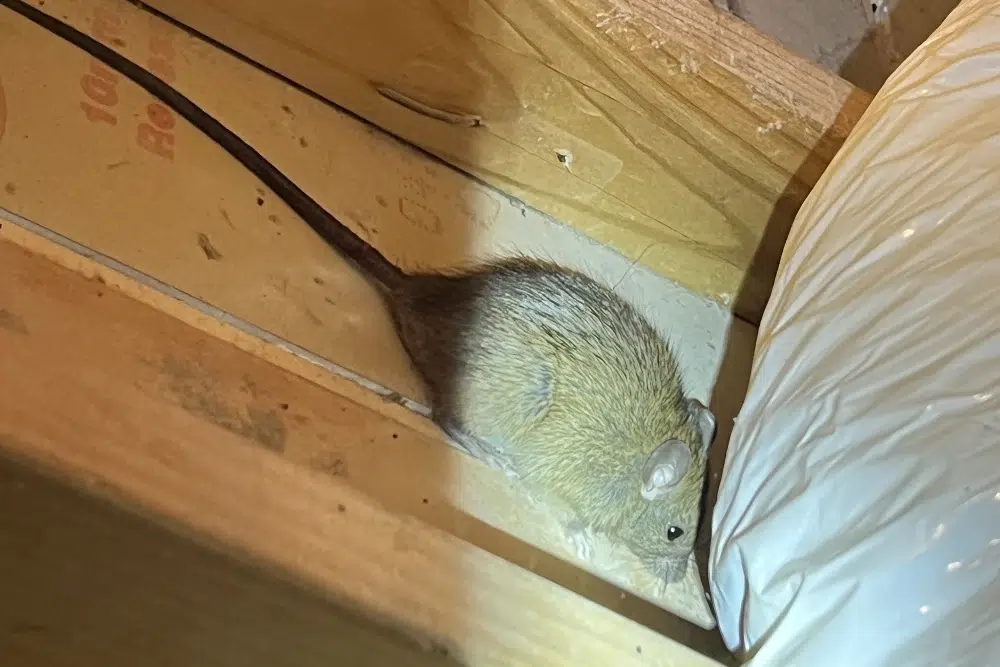
How Do Understanding Differences Between Rats and Mice Improve Control Strategies?
Identifying whether you’re dealing with rats or mice determines which treatment methods work best. Rats grow significantly larger (up to 40cm including tail) with blunt snouts and thick bodies, while mice remain smaller (under 20cm) with pointed noses and slender frames. This knowledge of rodent identification shapes effective removal strategies.
Physical characteristics that matter for treatment:
- Rats leave larger droppings (12-18mm) compared to mice droppings (3-8mm)
- Rats create wider gnaw marks requiring different sealing materials
- Mice squeeze through gaps as small as 6mm; rats need 12mm openings
Behavioral patterns separate these species dramatically. Mice explore new objects with curiosity, making bait stations more immediately effective. Rats display neophobia—fear of new items—requiring several days before approaching traps or bait. Mice nest in wall cavities and roof spaces using shredded materials, whereas rats prefer ground-level burrows in gardens or beneath structures.
Both species carry diseases including leptospirosis, salmonella, and hantavirus through their urine and droppings. Mice contaminate larger areas due to their constant urination while moving, spreading pathogens across kitchen surfaces. Rats cause more structural damage through aggressive chewing on electrical wiring and plumbing. Professional pest controllers adjust bait placement height, station security levels, and monitoring frequency based on which rodent threatens your Sydney property.
Conclusion
Effective mice removal in Sydney requires a multi-layered approach that addresses both immediate threats and long-term prevention. Sealing entry points, storing food properly, maintaining cleanliness, and eliminating water sources create an environment that is not suitable for rodents. These preventive rodent control tips work best when combined with regular property inspections to catch early warning signs like droppings or gnaw marks.
Professional pest control services offer expert assessments, tamper-resistant bait stations, and NSW-approved treatments that provide long-lasting protection. The combination of careful home maintenance and specialist intervention ensures your Sydney property stays rodent-free throughout the year.
Related : Rat Removal Sydney: How to Get Rid of Rats Without Harming Pets